Jolie's presence is certainly something of a coup, although he is no stranger to the band - having previously produced Court of Conscience. He is not the only 'name' involved here, either, as the album was co-mixed by Jos Driessen, who has mixed albums by bands like Blind Guardian, Epica, and Powerwolf, and famed producer Joost van den Broek (Sun Caged; After Forever; Arjen Lucassen's Supersonic Revolution). Winter in Eden might be a humble band, but they have some big-name friends - and Never Untold is another enjoyable album from them. It continues on the crunchier, tighter sound established on Social Fake, with the band putting together another bite-sized slab of melodic, crunchy, but fairly restrained symphonic metal. The bombast of the genre's biggest hitters is largely absent here, but the three-part Sleepwalk which kicks things off does show ambition. First part In Plain Sight opens things up, with a distant guitar riff that fades in - before the band crash in and a mid-paced, crunchy tune is born. The main riff is pretty groovy, which sets the tone for the whole song, whilst industrial programmed percussion loops add to sparser instrumental breaks - which differ nicely from the crunchy verses, backed by a snaking bassline and subtle keyboard symphonics. Vicky has always been a pleasing singer. She might not be the most powerful of vocalists, but her melodic voice is easy on the ear - and she has a knack for crafting memorable vocal melodies. She utilises her lower register somewhat during the verses here, before pushing herself a bit more during the chorus - which is a little more bombastic. A heavier instrumental bridge later sees some tougher riffing and faster double-bass drumming - but Winter in Eden always sit at the more accessible end of symphonic metal, and this opening track is a great example of such. The Curse continues on the Sleepwalk trilogy, with dense keyboards setting an early tone - before clean guitar melodies rein in the toughness of the previous track. A folky guitar melody provides an early hook, and even when the band kick in proper a similar version of the same melody is retained. Unlike many symphonic metal bands who are content to let the guitars just chug along, Winter in Eden have often had more interesting guitar arrangements. The main lead here is a strong hook, even though crunching rhythms remain ever-present, whilst another strong groove backs the song's verses - which is made more interesting by a synth lead at times. The folky intro is sometimes returned to, with percussive drumming creating a dynamic approach, whilst a melodic and fairly lengthy guitar solo from Kamath elevates the song further. The Sleepwalk trilogy is then rounded out by the brief Gone, which is essentially just a coda to the two previous numbers that sees Vicky singing against some keyboard swells. There is something of a darkness to the short number, but it works well given the chunky riffing that came before. Nobody is the first stand-alone song, then, with an opening that feels somewhat more dramatic. Crunchy guitars provide the main rhythms once again, but Steve's keyboards are much more bombastic and overtly symphonic here - and this approach continues throughout the latter parts of each verse and into the chorus. As such, there is something of a lushness to how this song sounds. The band, overall, just sound a bit bigger here. The guitars have real weight behind them - and there is also much more double bass drumming from Ashworth during choice moments. Subtle vocal harmonies also help the song to sound bigger - with the song just upping the stakes in a number of different ways.
My Imagination opens slowly, with the sound of a ticking clock - before a snaking guitar lead forms the first musical hook atop a strident hard rock beat and driving keyboard melodies. Like the previous song, this is a number that feels more overtly symphonic. The synths might not be as bombastic as they were during the previous number, but there is an overall richness to the overall sound that allows the band to sound grander than they sometimes do. The combination between the relative dryness of the guitar tones utilised and the warmth of the synths, including some twinkling melodies, does a lot of the work in that regard - but the strut of the rhythm section allows for a strong sense of purpose, too. This is a song that really pushes forward in a positive way, then, with Vicky really showcasing what she can do during a hooky and sultry chorus. Her tone really suits songs like this, and the subtle guitar leads that underpin the chorus only help to reinforce that majestic sound previously mentioned. The mix of the guitar and keyboard playing here is excellent, and the song is an overall highlight thanks to that and the big chorus. Silence opens with some quite hypnotic, repeated lyrics from Vicky - laying down a simplified version of the later chorus early on. This features the full band, but once the song transitions into the first verse most of the instruments are stripped away - leaving Vicky singing alone against Steve's piano playing. There is something of a sombre feel to the verses, then, even when later iterations feel a little bigger due to a drum and bass backing, but strings do enhance them as they move forward - with dense and shimmering keyboard arrangements a strong backing to the vocal and piano focus. The chorus is memorable thanks to the repeated vocal hooks, but it is probably not one with a huge amount of staying power due to how simple it is. It is easy to enjoy in the moment, though, and Vicky does show a bit more vocal diversity here, too, thanks to some higher-pitched vocals during later chorus renditions - especially during the song's powerful closing moments which see the pace upped and plenty of double bass drumming. The band's typical crunch returns in Prove You Wrong - a harder-hitting track with crunching guitar rhythms and dancing string melodies. The band's true symphonic side is on show during the intro and some of the instrumental breaks, then, but in general the verses are much more guitar driven - with a simple crunch allowing Vicky to sing again in a slightly lower register. There is plenty of weight here, then, which is enhanced by some choice moments of double bass drumming, but the chorus feels much more melodic - with a slightly faster pace and a repeated piano hook that worms into the brain. Pulsing synths are also utilised during a later instrumental break to re-introduce a symphonic warmth - before Jolie lays down something of a guitar solo during a more bombastic longer instrumental moment. The closing moments of the song up the heaviness overall, too, with some harsh vocals thrown in in the background - courtesy of another Johnson by the name of Thomas.
Rise returns to something of a folky approach, at least early on, with a strangely screaming guitar lead that somewhat sounds like uilleann pipes. There is a toughness to this song's folky feel, though. There are no acoustic guitars or slow-burning sections this time, with it instead being a somewhat faster and tougher song overall - just with a few folky melodies here and there. The guitar crunch feels more pronounced than ever, and there is a darker toughness to parts of the track - with some discordant little guitar motifs to add a more overtly metallic feel. Where this song really excels, though, is during its chorus. There are a number of strong choruses on this album, but Rise's might be the best one - thanks to Vicky's big melodies, wordless vocal moments, and a great mix of guitar toughness and dancing keyboards. Majesty and heaviness combine nicely here, with the song being another overall highlight. Impossible Dream returns to a more piano-based approach. After the crunch of the previous song, this is a number that slows the pace down - opening with shimmering synths, to which some piano is soon added. There are strong ballad vibes throughout this number, and the pace never really picks up - but there is still some weight added by some drawn out guitar chords as well as some mournful riffing later on which is topped by some piano flurries and chiming synth melodies. I like the fact that the band still managed to add some weight here - as that feels like their core approach. It would have been easy for this number to just have been a piano ballad, and those quieter moments are welcome, but the dynamic approach is more fitting overall - and helps to keep the band's core, tougher sound feeling pretty well established throughout the whole album. The album then comes to a close with Show Me, a song which opens with some slow-burning guitar leads - but once Ashworth lays down a big drum fill the song gets going proper, with staccato verses built around a snappy little guitar riff and some bursts of double bass drumming. There is a drive to the piece which is not given away by the initial guitar hooks, then, but essentially the song is more of the same when the band's core sound is considered. That mix of toughness and melody that keeps everything else going here is back again in a big way - although there are some stronger moments of symphonic synths at times, including during a slightly choppy instrumental bridge section that later morphs into another strong guitar solo from Kamath. Much of the band's material is on the mid-paced side, too, but this one does feel a little more urgent without ever being truly fast - and it feels like a song seeing the band upping the levels a little as the album comes to a close. The song feels like an album closer, then, with a little more of an epic feel - even if the core Winter in Eden sound is still very much on show here. Overall, then, Never Untold keeps the Winter in Eden train moving forward in a positive direction. There is definitely a snappiness to this album, as well as the previous one, which was perhaps not featured on the band's first three albums - but the tightness works well given the band's core sound. That crunch and the relative restraint shown in terms of bombast helps to set Winter in Eden apart from other symphonic metal acts - and this album sees the band once again playing to their strengths, even following the hiatus and line-up changes.
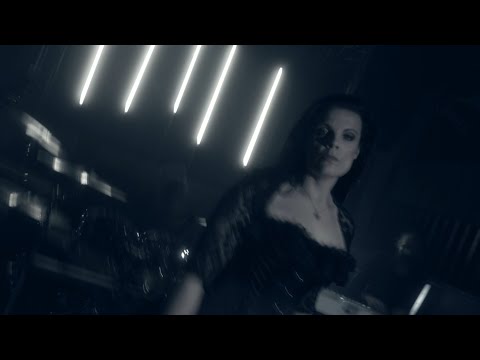
The self-released album was released on 3rd July 2026. Below is the band's promotional video for Sleepwalk 1.1 - In Plain Sight.