The line-up is rounded out by long-time guitarist Martin Larsson and original drummer Adrian Erlandsson. Given that At the Gates has never existed without Lindberg, it seems highly likely that The Ghost of a Future Dead will be the band's last album. It is fitting, then, that arguably their classic line-up was able to reunite once more for it - even if some old-school fans likely consider the original line-up with guitarist Alf Svensson in place of Larsson the classic line-up. With 12 songs here lasting 42 minutes, nothing outstays its welcome. The songs get in and get out - with the band's trademark sound well and truly back. Opening cut The Fever Mask showcases this as, following a brief atmospheric introduction, a barrelling riff with some classic melodic death metal staccato leads and a thrashy drum beat kicks in - and the energy is there from the off. At the Gates' brand of melodic death metal has never been as melodic as those bands which would follow in their wake - and this is closer in tone to a true death metal album at times, albeit with more of a focus on guitar leads. The staccato leads from the song's intro are essentially ever-present here - although a handful of more mid-paced sections see some smoother, slower guitar leads, whilst a later solo section is initially shredded and fast-paced before becoming more contemplative later on. Lindberg sounds fiery here, his howled vocals powerful above the fast-paced riffing - with the melodic guitar leads contrasting nicely with the rough vocals. The Dissonant Void opens with some clean guitar melodies, before another riff kicks in - this time more extreme metal in nature with some blast beat-esque drumming beneath it. This song is less focused on big guitar melodies overall, with more intricate riffing and guitar textures more of a focus. There is something of a chorus later which is introduced by a mournful guitar lead, but mostly the change from the riffing comes in the form of discordant chords held against busy riffing and the occasional undercurrent of gothic clean guitar textures. There is a depth to the song, then, despite the oppressive riffing - with the mix of this extreme metal pace and some denser, more gothic feeling moments contrasting from the first track despite a similarly aggressive vocal from Lindberg. Det Oerhörda also opens somewhat slowly, but instead of launching away at break-neck speed, this song feels a bit more lumbering and doomy - with more of a mid-paced opening riff that feels weighty, oppressive, and, again, slightly gothic. There is a coldness to this opening riff-led section, then, and this largely continues on through the rest of the song - which remains much more mid-paced and deliberate. There is more of a bass presence in the mix, whilst the guitars feel more old-school metal - with the slower pace allowing for a grittier and perhaps more growled vocal from Lindberg, as he sings in Swedish here. Occasional chiming guitar leads only enhance the overall coldness of the song - although the later guitar solo feels a bit more overtly melodic, with slow-moving melodies and even some neo-classical runs thrown in. A Ritual of Waste picks up the pace again following the more mid-paced previous number. There is no slow build-up this time, either, with the band essentially launching in from the off, laying down another thrashy riff. There is a darkness to the riffing here, but moments of melody shine through later. The chorus feels a bit more anthemic overall, something I would not usually describe At the Gates as, with a slower pace, hypnotic guitar lines, and chant-along vocal melodies. The verses are much thrashier, though, with dark riffing and occasional intricate guitar patterns to add interest - whilst a later bridge section makes use of clean guitar melodies and a strong bass presence for change of pace.
The Dark Distortion feels like it maintains a similar pace, but the riffing is scaled back so the song feels a bit more atmospheric and much less intense. The drumming during the intro is quite fast, but the more expansive, raw chords which sit atop it feel less overtly metal - and this the most different-sounding song on the album up to this point. There are tougher riffy sections later on, and they feel more potent due to their surroundings, but there are also large sections of the verses which feel quite un-metal - with clean guitar melodies, a busy bass line, and an atmospheric undercurrent. Lindberg keeps his harsh vocals on show throughout, but his howled and tortured approach works well against this cleaner backing - and the overall variety of the song helps it to stand out. I like the presence that the bass is given throughout - plus the use of plentiful clean guitars and only occasional heavier riffing shows that something intense can still be created with less weight. Of Interstellar Death opens with a big drum roll from Erlandsson, which leads into a pretty typical melodic death metal-style riff - with fast-paced patterns and some thrashy drumming beneath it. Given the change of pace that the previous song provided, it is perhaps fitting that this song is very much representative of the band's core sound. The thrash pace and the overall energy that the song whips up is infectious, and the main riff is actually quite hooky - meaning that it does not just rely on its pace for success. The verses are very much delivered at break-neck speed, then, but the chorus sees the pace slowed - with some mournful guitar leads and more of a keyboard presence allowing for a more mid-paced setting for some prominent Lindberg vocals. This is another chorus with something of a more anthemic feel - and this is later capitalised on somewhat by the slower moving and more melodic guitar solo. Tomb of Heaven returns to a more slow-burning opening, something which characterises a lot of the songs here, but overall this is another fast-paced track. Following the opening atmospherics another big riff kicks in, but this one is much more extreme metal coded and less hooky - with more of a dense note pattern creating an overall vibe rather than presenting a memorable melody. The later guitar solo is much more memorable, though, with some more neo-classical melodies on show. This solo comes quite early in the song, but there are some more guitar melodies utilised throughout. Melodies sit beneath the verses, but they are less prominent than such often are - whilst another somewhat more slower-paced chorus sees cleaner guitar melodies adding depth alongside chunky riffing. Another guitar solo is thrown in later, too, which is a bit more straight ahead in its melodic choices. Parasitical Hive is more of a mid-paced chugging number - and it is the longest song here at just over four a half minutes. That makes it an epic in the context of the album, so it is perhaps fitting that it goes for a mid-paced approach to stretch out somewhat and feel a bit more groovy. There is another more atmospheric chorus here, but given the song's overall mid-pace there is no real drop in pace this time - and the song just feels more plodding and weighty as a result. The riffing somewhat judders along, which does create something of a groove during the verses, whilst the chorus is a little more melodic. This is not a song full of guitar leads, though, despite some clean guitar breaks later on and a chorus which is a bit more melodic in terms of the vocal delivery.
The Unfathomable opens with some strange, swirling sound effects - before another pretty thrashy riff kicks in, but this time the riffing feels much more death metal coded than elsewhere. There is more of an intensity in the riffing, with a lack of guitar leads, whilst the note changes are full of those close note swaps that feel a little discordant - something which is common in death metal. The verses are full of patterns like this, with an evil overall sound, but the song is actually quite varied - with lots of different riffs and riffing styles appearing throughout. There are a couple of quite chugging and meaty riffs which actually would not sound out of place on a big mid-2000s hardcore album - whilst other riffs feel properly thrashy. There is even a proper chugging breakdown here, which sounds a bit like something that Malevolence might come up with if they were trying to write an old-school death metal track. The song is varied and energetic, then, with a surprising breadth of sound covered. The Phantom Gospel then follows on some of the chugging and slower moving riffing style of the previous number - and makes a song out of that style. Despite this, though, there is an upping over the overall pace, with the verses feeling more typical of the band's core sound - but the opening riff is a bit more chugging and slow-moving, and this vibe rears its head throughout. A slower pace backs the later guitar solo, which is very melodic, whilst proper headbanging, groovy riffing is heard elsewhere. Given that this song is under three minutes long, and awful lot gets crammed in. There are some really thrashy moments, but it is the more crunching moments which work for me - largely as this is not a sound that is heard too often on this album. The penultimate track, Förgängligheten, is a much more mournful instrumental number - with all of the band's usual metal stripped away for a couple of minutes. Delicate acoustic guitar melodies form the basis of the song, with some cold synths sometimes adding depth, whilst slow-moving guitar leads which fade in and out are laid over the top. Extreme metal bands often opt for slower and mellower instrumental numbers on their albums given their lack of traditional ballads to allow for a change of pace. At the Gates have done similar before and it works again here - essentially acting as an elongated intro for the final number Black Hole Emission. This last track is another pretty typical melodic death metal track - although the overall arrangement perhaps feels a bit more atmospheric overall. There certainly feels like there is more of a keyboard presence underpinning this one, whilst clean guitars are also used a bit more to create depth - largely during the chorus and also throughout some later instrumental bits. As such, there is just a bit more of a cinematic feel throughout the song, which is fitting given that it closes things out. Despite this, though, melodically it is perhaps less memorable than some of the other songs here - and it feels less crunchy overall, but given that it clearly goes for a bit of a different vibe the arrangement works well enough. I have been a casual At the Gates fan for a number of years - catching the band live a couple of times, once as a headliner and once at a festival. They are not a band that I listen to often, but Lindberg's death was still a sad occasion - and I am glad that his final work was able to be released to such a high quality so as to be able to celebrate him one more time. The Ghost of a Future Dead may not be as expansive the band's last couple of albums, but it has plenty of subtle variety inside - and, perhaps more importantly, it just showcases what the band do best. If this is to be the band's last album, then it will work as a fitting full-stop - and a worthy tribute to Lindberg.
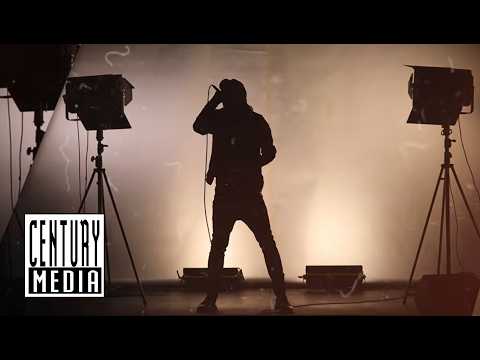
The album was released on 24th April 2026 via Century Media Records. Below is the band's promotional video for The Fever Mask.


No comments:
Post a Comment