Thursday, 21 May 2026

At the Gates' 'The Ghost of a Future Dead' - Album Review

Each year, more and more musicians that we admire sadly pass away. This is inevitable, of course, but for those of us who enjoy bands that date back to the late 1960s, deaths are an ever more regular thing that need to be processed. Musicians of that vintage are usually in their late 70s/early 80s when they die, though, which is perhaps easier to stomach - but the hard rock and metal scene has sadly had to get used to people dying before their time over the years. This theme is sadly relevant when discussing today's album The Ghost of a Future Dead - the latest, and likely final, album from the Swedish death metal pioneers At the Gates. This is because the band's founding frontman Tomas Lindberg, perhaps one of the most influential vocalists and overall personalities of the Swedish extreme metal scene, sadly died last September, aged only 52, following a battle with adenoid cystic carcinoma - quite a rare cancer that generally affects the mouth. Lindberg was diagnosed with the cancer in 2023, and later had surgery to remove part of the roof of his mouth - but sadly this was not enough, and he died in 2025. Lindberg had been a part of the Swedish extreme metal scene since the late 1980s, having first appeared with Grotesque before helping to form At the Gates in 1990. Whilst At the Gates was where he made his name, he was a member of a number of other bands over the years, during both At the Gates' periods of inactivity and concurrently with them, including Lock Up, Nightrage, and The Lurking Fear. He was busy in and well-liked throughout the scene, then, and it was a sad day when he passed last year. Not long after Lindberg's death, though, the remaining members of At the Gates said that the album that they had been working on prior to his passing would still be released in accordance with his wishes. As such, the band's eighth studio album The Ghost of a Future Dead dropped last month. It is understood that much of this album was finished in mid-2024, but the release we postponed due to Lindberg's treatment - and it has also been stated that Lindberg recorded some of the vocals the day before going in for major surgery. Some of his vocals here, I believe, come from demo versions of the some of the songs - but this album does not sound like a demo, and Lindberg does not sound like a man who was as ill as he was when much of this was recorded. Lindberg's voice had certainly deteriorated over the years, but his unique howled harsh vocal approach of late remains strong here - and vocally this album is similar to the band's other more recent releases. Unlike those other releases, though, The Ghost of a Future Dead feels a bit more of a straight ahead melodic death metal album than, at least, the last two. The previous albums, including last album The Nightmare of Being (which I reviewed here) from 2021, felt a bit more avant-guard and slightly progressive - but those vibes are largely absent here, with The Ghost of a Future Dead likely the band's closest in sound to 1995's all-time-classic Slaughter of the Soul. This could well be that it is the band's first album with the Slaughter of the Soul line-up since 2014's comeback album At War with Reality (which I reviewed here) - as lead guitarist Anders Björler re-joined the band in 2022. As such, the classic songwriting trio of Lindberg, Anders, and the latter's twin brother and bassist Jonas Björler are reunited here - and clearly wanted to write some old-school At the Gates anthems with thrashy riffs, haunting guitar leads, and tighter overall arrangements.

The line-up is rounded out by long-time guitarist Martin Larsson and original drummer Adrian Erlandsson. Given that At the Gates has never existed without Lindberg, it seems highly likely that The Ghost of a Future Dead will be the band's last album. It is fitting, then, that arguably their classic line-up was able to reunite once more for it - even if some old-school fans likely consider the original line-up with guitarist Alf Svensson in place of Larsson the classic line-up. With 12 songs here lasting 42 minutes, nothing outstays its welcome. The songs get in and get out - with the band's trademark sound well and truly back. Opening cut The Fever Mask showcases this as, following a brief atmospheric introduction, a barrelling riff with some classic melodic death metal staccato leads and a thrashy drum beat kicks in - and the energy is there from the off. At the Gates' brand of melodic death metal has never been as melodic as those bands which would follow in their wake - and this is closer in tone to a true death metal album at times, albeit with more of a focus on guitar leads. The staccato leads from the song's intro are essentially ever-present here - although a handful of more mid-paced sections see some smoother, slower guitar leads, whilst a later solo section is initially shredded and fast-paced before becoming more contemplative later on. Lindberg sounds fiery here, his howled vocals powerful above the fast-paced riffing - with the melodic guitar leads contrasting nicely with the rough vocals. The Dissonant Void opens with some clean guitar melodies, before another riff kicks in - this time more extreme metal in nature with some blast beat-esque drumming beneath it. This song is less focused on big guitar melodies overall, with more intricate riffing and guitar textures more of a focus. There is something of a chorus later which is introduced by a mournful guitar lead, but mostly the change from the riffing comes in the form of discordant chords held against busy riffing and the occasional undercurrent of gothic clean guitar textures. There is a depth to the song, then, despite the oppressive riffing - with the mix of this extreme metal pace and some denser, more gothic feeling moments contrasting from the first track despite a similarly aggressive vocal from Lindberg. Det Oerhörda also opens somewhat slowly, but instead of launching away at break-neck speed, this song feels a bit more lumbering and doomy - with more of a mid-paced opening riff that feels weighty, oppressive, and, again, slightly gothic. There is a coldness to this opening riff-led section, then, and this largely continues on through the rest of the song - which remains much more mid-paced and deliberate. There is more of a bass presence in the mix, whilst the guitars feel more old-school metal - with the slower pace allowing for a grittier and perhaps more growled vocal from Lindberg, as he sings in Swedish here. Occasional chiming guitar leads only enhance the overall coldness of the song - although the later guitar solo feels a bit more overtly melodic, with slow-moving melodies and even some neo-classical runs thrown in. A Ritual of Waste picks up the pace again following the more mid-paced previous number. There is no slow build-up this time, either, with the band essentially launching in from the off, laying down another thrashy riff. There is a darkness to the riffing here, but moments of melody shine through later. The chorus feels a bit more anthemic overall, something I would not usually describe At the Gates as, with a slower pace, hypnotic guitar lines, and chant-along vocal melodies. The verses are much thrashier, though, with dark riffing and occasional intricate guitar patterns to add interest - whilst a later bridge section makes use of clean guitar melodies and a strong bass presence for change of pace.

The Dark Distortion feels like it maintains a similar pace, but the riffing is scaled back so the song feels a bit more atmospheric and much less intense. The drumming during the intro is quite fast, but the more expansive, raw chords which sit atop it feel less overtly metal - and this the most different-sounding song on the album up to this point. There are tougher riffy sections later on, and they feel more potent due to their surroundings, but there are also large sections of the verses which feel quite un-metal - with clean guitar melodies, a busy bass line, and an atmospheric undercurrent. Lindberg keeps his harsh vocals on show throughout, but his howled and tortured approach works well against this cleaner backing - and the overall variety of the song helps it to stand out. I like the presence that the bass is given throughout - plus the use of plentiful clean guitars and only occasional heavier riffing shows that something intense can still be created with less weight. Of Interstellar Death opens with a big drum roll from Erlandsson, which leads into a pretty typical melodic death metal-style riff - with fast-paced patterns and some thrashy drumming beneath it. Given the change of pace that the previous song provided, it is perhaps fitting that this song is very much representative of the band's core sound. The thrash pace and the overall energy that the song whips up is infectious, and the main riff is actually quite hooky - meaning that it does not just rely on its pace for success. The verses are very much delivered at break-neck speed, then, but the chorus sees the pace slowed - with some mournful guitar leads and more of a keyboard presence allowing for a more mid-paced setting for some prominent Lindberg vocals. This is another chorus with something of a more anthemic feel - and this is later capitalised on somewhat by the slower moving and more melodic guitar solo. Tomb of Heaven returns to a more slow-burning opening, something which characterises a lot of the songs here, but overall this is another fast-paced track. Following the opening atmospherics another big riff kicks in, but this one is much more extreme metal coded and less hooky - with more of a dense note pattern creating an overall vibe rather than presenting a memorable melody. The later guitar solo is much more memorable, though, with some more neo-classical melodies on show. This solo comes quite early in the song, but there are some more guitar melodies utilised throughout. Melodies sit beneath the verses, but they are less prominent than such often are - whilst another somewhat more slower-paced chorus sees cleaner guitar melodies adding depth alongside chunky riffing. Another guitar solo is thrown in later, too, which is a bit more straight ahead in its melodic choices. Parasitical Hive is more of a mid-paced chugging number - and it is the longest song here at just over four a half minutes. That makes it an epic in the context of the album, so it is perhaps fitting that it goes for a mid-paced approach to stretch out somewhat and feel a bit more groovy. There is another more atmospheric chorus here, but given the song's overall mid-pace there is no real drop in pace this time - and the song just feels more plodding and weighty as a result. The riffing somewhat judders along, which does create something of a groove during the verses, whilst the chorus is a little more melodic. This is not a song full of guitar leads, though, despite some clean guitar breaks later on and a chorus which is a bit more melodic in terms of the vocal delivery.

The Unfathomable opens with some strange, swirling sound effects - before another pretty thrashy riff kicks in, but this time the riffing feels much more death metal coded than elsewhere. There is more of an intensity in the riffing, with a lack of guitar leads, whilst the note changes are full of those close note swaps that feel a little discordant - something which is common in death metal. The verses are full of patterns like this, with an evil overall sound, but the song is actually quite varied - with lots of different riffs and riffing styles appearing throughout. There are a couple of quite chugging and meaty riffs which actually would not sound out of place on a big mid-2000s hardcore album - whilst other riffs feel properly thrashy. There is even a proper chugging breakdown here, which sounds a bit like something that Malevolence might come up with if they were trying to write an old-school death metal track. The song is varied and energetic, then, with a surprising breadth of sound covered. The Phantom Gospel then follows on some of the chugging and slower moving riffing style of the previous number - and makes a song out of that style. Despite this, though, there is an upping over the overall pace, with the verses feeling more typical of the band's core sound - but the opening riff is a bit more chugging and slow-moving, and this vibe rears its head throughout. A slower pace backs the later guitar solo, which is very melodic, whilst proper headbanging, groovy riffing is heard elsewhere. Given that this song is under three minutes long, and awful lot gets crammed in. There are some really thrashy moments, but it is the more crunching moments which work for me - largely as this is not a sound that is heard too often on this album. The penultimate track, Förgängligheten, is a much more mournful instrumental number - with all of the band's usual metal stripped away for a couple of minutes. Delicate acoustic guitar melodies form the basis of the song, with some cold synths sometimes adding depth, whilst slow-moving guitar leads which fade in and out are laid over the top. Extreme metal bands often opt for slower and mellower instrumental numbers on their albums given their lack of traditional ballads to allow for a change of pace. At the Gates have done similar before and it works again here - essentially acting as an elongated intro for the final number Black Hole Emission. This last track is another pretty typical melodic death metal track - although the overall arrangement perhaps feels a bit more atmospheric overall. There certainly feels like there is more of a keyboard presence underpinning this one, whilst clean guitars are also used a bit more to create depth - largely during the chorus and also throughout some later instrumental bits. As such, there is just a bit more of a cinematic feel throughout the song, which is fitting given that it closes things out. Despite this, though, melodically it is perhaps less memorable than some of the other songs here - and it feels less crunchy overall, but given that it clearly goes for a bit of a different vibe the arrangement works well enough. I have been a casual At the Gates fan for a number of years - catching the band live a couple of times, once as a headliner and once at a festival. They are not a band that I listen to often, but Lindberg's death was still a sad occasion - and I am glad that his final work was able to be released to such a high quality so as to be able to celebrate him one more time. The Ghost of a Future Dead may not be as expansive the band's last couple of albums, but it has plenty of subtle variety inside - and, perhaps more importantly, it just showcases what the band do best. If this is to be the band's last album, then it will work as a fitting full-stop - and a worthy tribute to Lindberg.

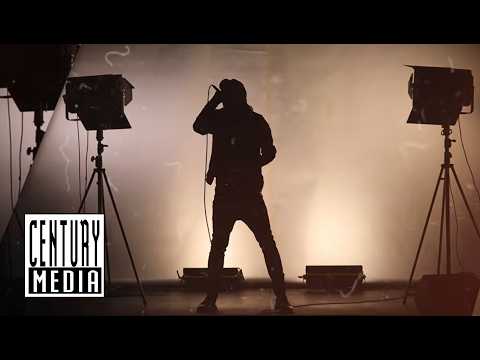
The album was released on 24th April 2026 via Century Media Records. Below is the band's promotional video for The Fever Mask.

Wednesday, 20 May 2026

Edge of Paradise - Plymouth Review

Last Tuesday I went down to Truro to catch what turned out to be an excellent show by Jethro Tull at the Hall for Cornwall. It is always nice to go to a gig that I can return home to afterwards - so it is perhaps fitting that yesterday, which was also a Tuesday, I headed out for some more local live music. A drive to Truro was not even necessary this time, as the destination was the ever-reliable The Junction in Plymouth - a much-loved small venue just on the edge of the main city centre on Mutley Plain. I always enjoy a trip to The Junction, largely as it is about a 10 minute walk from my house, but it is also just a good venue to visit - with a decent stage area, sound system, and just general space and feel for a venue of its size. I have lived in Plymouth for over 10 years now, and have been to The Junction quite a few times - and it is the sort of venue that can sometimes attract bands of a surprising size. This was not really the case last night, but I cannot say that I expected a band like Edge of Paradise to play at the venue - especially as part of a three-night UK headline run which also included shows in London and Newcastle. The American band did not come over to Europe just to play three rather random UK headline shows - as Edge of Paradise have also been over in Europe, both in a headline capacity and also opening for Visions of Atlantis. I am not sure if the band had visited the UK before, but I know that Monday's London show was the band's first headline show in the UK - which means that last night's Plymouth show was their second. I was familiar with Edge of Paradise in name only when, a few months ago, last night's show was announced. I had seen them mentioned in reviews and had seen them on tour posters before - and I had wrongly assumed that they were either a symphonic metal band or a power metal band. Whilst they certainly take some influence from both, particularly the latter, I soon discovered Edge of Paradise to be something a bit different - despite what their band photos and album covers would suggest. Formed around frontwoman Margarita Monet and guitarist Dave Bates, Edge of Paradise have been around since 2011 and have released six albums. I have heard the most recent three, but I would not call myself an Edge of Paradise expert by any means - and I am still, even after seeing them last night, not quite sure what to make of them. The band's sound is quite unique, as it mixes elements of both symphonic metal and power metal with more of a harder rock edge, occasional industrial moments, and possibly even the occasional nu-metal adjacent riff. There is a real mix of atmosphere and toughness in the band's sound, then, with Monet's voice being quite different to your average symphonic metal or power metal singer. She definitely has a grittier, but poppier, approach which suits the band's sound - and she has quite a range. I find the band's overall sound to be a bit strangely abrasive at times, but then I have also found songs that I quite like - so I am yet to make up my mind. Regardless, it was good to get the opportunity to see them locally. Bands of this ilk rarely headline outside of London, although that has started to slowly change in more recent times, so I always want to support the scene. I think that it is fair to say that last night's Plymouth show was not all that well attended - with the turnout being pretty much what I thought it would be for a pretty unknown rock/metal band in the UK on a Tuesday night here in Plymouth.

There was one support act to warm the crowd up before Edge of Paradise's set, with the Cornwall-based four-piece The Phantom Division playing for around 45 minutes. Delivering a much more synth-heavy sound than the main event, The Phantom Division play a brand of music which largely mixes 1980s synth music with heavy metal. Thrashy metal riffs and occasional shredded solos sat quite nicely alongside dancing drum beats and sparkling disco synths - although the main focal point was the saxophone and woodwinds played throughout. The guitar was rarely a lead instrument, aside from the occasional solo or melody, with the sultry saxophone leads and lengthy solos largely leading the way. The mix of sounds was quite different from the norm, then, but largely everything seemed to come together quite well. The main disappointment was that the band's frontman was pretty much always quite low in the mix - and I was not convinced that he was all that strong a vocalist in any case. His cleaner vocals felt a bit on the weak side, but he did sound more powerful when he went for a slightly gruffer delivery. He could not always be heard that clearly, which may not have helped, but I would recommend focusing on a gruffer delivery more often going forward - as that side of his voice seemed to suit the band more. Quite a lot of the set was instrumental, too. I think at least a couple of bona fide instrumentals were played, but even the vocal-led songs had quite long instrumental passages - largely filled by the aforementioned saxophone. These were probably some of the best moments of the set - and it is always good to experience something new, as The Phantom Division seemed quite original overall. They are not really the sort of band that I would listen to at home, but live there were a fun prospect - even if their overall mix was not the best at representing every facet of their sound.

The changeover between the two bands happened at a pretty leisurely pace. For a while it seemed as if Edge of Paradise were in no hurry to get going - but then everything came together and the five-piece took to the stage, and delivered a strong 13-song set that lasted just over an hour. All of the songs played, with the exception of one stand-alone single, came from the band's last three albums - so I was largely familiar with what was included. Kicking off with the up-tempo Prophecy Unbound, the band brought something of a bigger stage show to The Junction - with Monet wearing a pretty impressive spiked armour-like outfit which lit up at times. The sound mix had also levelled itself out by this point, and Monet was generally pretty high in the mix. I did think that Alex Nasla (keyboards) could have been a bit higher in the mix at times - but the rhythm section and the dry crunch of Bates' guitar ensured that the band's poppy and danceable grooves filled the room. Despite the small crowd, those who had made the effort were certainly appreciative of the band coming to Plymouth. The crowd often sounded larger than it was - and it was likely that some had travelled to catch a band that rarely appear in the UK. The band did not seem all that disappointed with a smaller turnout, either, and just seemed happy that anyone had turned up - with Monet just seeming like she was having a great time throughout. Throughout the next hour or so, then, the band's quite varied sound was put through its paces. Much of the set was fairly up-tempo, as Hologram showcased, but there were also heavier moments such as the riffier Soldiers of Danger - which saw Monet adopting a slightly screechier vocal style at times to fit in with the tougher riffing. The band are also capable of slowing things down, too, and there is certainly a strong atmospheric side to their sound - as Dark was quite an early example of. Songs like this allowed Nasla to showcase a bit more of his playing style - and I am under the impression that he is quite a new recruit, and is the band's first live keyboard player. Monet has handled all of the keyboards on the band's albums up to this point, but live keyboards are always better were possible - and there was a well-rounded sound coming from the band despite the dominance of the riffing and the hip-shaking drumming of Jamie Moreno. The newest song played, single Requiem for a Dream (And the Angels of Static), was a bit more piano-orientated and featured a bit more of an epic power metal sound - which perhaps is a sign of what is to come for the band. They are certainly associated with that scene, but do not neatly fit into it - so perhaps there is a desire to smooth things out going forward. This song was perhaps at odd with the heavy pop, with sugary, repeated choruses, of songs like Death Note and The Other Side of Fear - but there is certainly room in the band's set for both such sounds. There was also time for more atmosphere in the form of the pandemic-inspired The Unknown - which saw Monet again sing in quite a different manner. The 13-song set was rounded out by the bombastic Falling Light, and the hour or so that preceded it had certainly been enjoyable. The setlist was:

Prophecy Unbound
Hologram
Soldiers of Danger
Give It to Me (Mind Assassin)
Digital Paradise
Dark
Basilisk
Requiem for a Dream (And the Angels of Static)
Death Note
Martyr (Monster)
The Unknown
The Other Side of Fear
Falling Light

I enjoyed my time with Edge of Paradise last night, but I am still not convinced the band are 100% for me. They are interesting, that is for sure, and I am interested to see how they proceed from here having expanded their line-up and the direction that the new single suggests. It is always good to try something new, though, and the band are next going to be in the UK in December when they join Dominum and The Night Flight Orchestra on tour. I am still contemplating going to the Bristol show of the tour, but I am waiting to see if the hotels drop in price. If I do end up going, I am sure I will enjoy seeing Edge of Paradise again.

Saturday, 16 May 2026

Brother Cane's 'Magnolia Medicine' - Album Review

It is fairly rare that I cover southern rock on this blog, despite me being quite a big fan of the genre. The main reason for this is that there just is not that much southern rock being produced these days. The southern rock genre, to a magnitude unlike any other, has been beset by tragedy over the years - to the point where the vast majority of the classic southern rock bands of the 1970s either no longer exist or exist in quite a tenuous form - sometimes without any original band members. Even Lynyrd Skynyrd are now without an original member since the 2023 death of Gary Rossington - and the number of musicians that the genre has lost over the years, many quite young, is staggering. Another reason for the relative lack of southern rock coverage is the lack of many new bands in the genre breaking through. Perhaps the two biggest current names in southern rock are Blackberry Smoke and Black Stone Cherry - but neither band are what I would call pure southern rock. Blackberry Smoke have a strong country influence, whereas Black Stone Cherry fuse their southern rock with influences from late 1990s/early 2000s post-grunge and American radio rock. Perhaps the purest new southern rock act that I have given love to on this blog is The Georgia Thunderbolts - but they are currently on an extended hiatus for health reasons. Southern rock certainly lives, but it seems that many of the genre's current exponents mix their southern rock influences with other things - meaning that there is not really much of a pure southern rock scene anymore, at least that I am aware of here in the UK. In some ways, today's band fall somewhat into this category - but Alabama's Brother Cane date back to 1990 when they were formed by frontman, guitarist, and principal songwriter Damon Johnson. Whilst Brother Cane might not be the biggest name out there, with the band mixing southern rock and gritty 1990s grungy hard rock, Damon later went on to have an excellent career as something of a guitarist and songwriter for hire. I first came across him as part of Alice Cooper's band in the late 2000s - but his talents really came alive for me both in Thin Lizzy and spin-off band Black Star Riders, for which he was one of the main songwriters on the latter's first three albums. Black Star Riders have never quite been the same since Damon's departure - and since 2021 he has been one of Lynyrd Skynyrd's three guitarists, initially filling in for Rossington and later replacing him full-time. His songs have also been recorded by acts as diverse as Stevie Nicks, Santana, and Skid Row - so he has carved out a nice career for himself without ever really becoming a household name. Brother Cane was where it all started, though, and he fronted the band for three albums during the 1990s before they split in 1998. Occasional reunions followed, but perhaps returning to his southern rock roots in Lynyrd Skynyrd prompted a full-time Brother Cane reunion - and the band has been a going concern again since 2022. That being said, the Brother Cane of today is quite different to the Brother Cane of the 1990s. Only bassist Glenn Maxey, who played on the band's self-titled debut album from 1993 before leaving, returns from the original run - with guitarist Tony Higbee (Bombshell Crush; Tom Keifer Band), keyboard player Buck Johnson (Whiskey Falls), and drummer Jarred Pope (Tom Keifer Band) all coming on board. The band have played live sporadically since 2022, and behind the scenes worked on new music - with the band's fourth album, Magnolia Medicine, dropping last month. It is their first album since 1998's Wishpool and, like their first two albums, was produced by famed producer and songwriter Marti Frederiksen.

As was often the case in the past, Damon and Frederiksen wrote most of the songs on this new album - with Frederiksen even writing with Damon during the Wishpool sessions in which he had no studio involvement. None of the other band members contribute to the songwriting, so this album is very much Damon's baby - with Frederiksen his main collaborator, as well as contributing additional guitars and keyboards throughout. I was not hugely familiar with Brother Cane before hearing this album, although I had heard their 1993 album once previously - so I have approached this album with fresh ears and have come away impressed. Kicking off with If This Means War, the album gets off to a pretty heavy start. A barrelling metal-adjacent riff opens things up, but there is enough southern groove in the song's movement to root things in the southern rock genre. Whilst the song is pretty heavy throughout, parts of the verses see the guitars drop away somewhat - with Maxey's bass leading the charge as Damon sings. Whilst I have been familiar with Damon as a guitarist and songwriter for many years, this is my first real exposure to him as a singer. He does not have the strongest voice, be he gets the job done - and at times he reminds me a bit of Jon Bon Jovi during the 2000s due to his slightly nasal delivery. The band help out on backing vocals during the heavy chorus, which utilises that song's opening riff nicely, giving the chorus a call-and-response feel - whilst guitar leads and solos are thrown in all over the place. The album rarely feels as heavy as this opening cut again - but it kicks things off nicely even if If This Means War is less characteristic of the album than some other songs. Take a Chance is much more typical of the band's core sound, and a strong southern rock feel is captured early on with a groovy, bluesy riff over which some aching guitar leads are overlaid. The previous song had very little in terms of a keyboard presence - but Buck makes his presence felt this time. His Hammond organ is introduced early on, with the instrument rumbling away during the verses - with occasional little organ melodies popping up here and there. There is much of an organic feel here, then, with a slightly country-esque chorus introducing more of a melodic feel, with more of an organ backing, before Damon and Higbee lay down a harmony guitar solo which is pure southern rock. The song later comes to a close with a blistering instrumental section based around a faster version of the main riff - with more excellent soloing. Nothing to Lose feels a bit more up-tempo and slightly jaunty. A few power chords open things up, before a hooky guitar lead and some more organ take over. Compared to the previous two songs, this one is much poppier. Chugging guitars later create an energetic verse, with some occasional piano accents adding depth, whilst the chorus that follows has a bit of an AOR edge - with some big vocal hooks from Damon. This is one of the choruses where my Bon Jovi comparison comes from. This chorus sounds like something that could have sat on 2007's Lost Highway due to its poppy, country edge - and there is something about Damon's delivery that reminds me of Bon Jovi from that era. Clapping melodies and infectious lead guitar motifs constantly rear their heads here - and this is a brief, hooky song that is very enjoyable. The Wolf on the Mountain returns to more of a core southern rock sound - but the arrangement is much more dynamic than anything here so far. A smoky, heavy riff kicks things off, which gives the impression of a heavy song to come, but instead the piece is something of a semi-ballad - with an organic and dense overall sound. Acoustic guitars and Damon's voice are the main focus of the verses, although later verses are a bit more percussive with some drums and a denser arrangement - only for the rest of the band to explode into a lumbering chorus with heavier guitar textures and cinematic organ. This mix of acoustic verses and a heavier chorus works well - and there are later blistering guitar solos to take things further, creating a powerful piece overall.

A true ballad then comes in the form of Prince Charming. The song is Damon's tribute to Rossington - and he brought in four of his Lynyrd Skynyrd bandmates to help him out. Frontman Johnny Van Zant duets with Damon throughout, guitarist Rickey Medlocke adds some slide guitar, whilst backing singers Carol Chase and Stacy Michelle fill out the arrangement. The song opens with Damon and his acoustic guitar, before Buck also starts to add some delicate piano melodies - whilst the rhythm section add a sombre groove. Medlocke's playing comes to the fore during the chorus, with his aching slide melodies adding a lot to the heartfelt song - whilst Van Zant takes over vocally for the second verse and chorus. The two ladies also start to sing during this moment, their voices adding a gospel and blues edge - whilst Buck mixes in organ with his piano. The song starts to sound really big as it moves along, with all of the different keyboard textures and the backing vocals of Chase and Michelle creating a cinematic sound. The final moments are especially powerful, when Damon and Van Zant sing together - with the final chorus in particular sounding very emotive. Blinded by the Sun was one of two songs here that was released as part of a 7" single back in 2023 - giving a taste of what was to come from the new-look Brother Cane. The song is a pretty up-tempo hard rocker and, following the two slower-burning pieces that preceded it, it feels quite powerful. The opening main riff section feels nice and groovy. Pope's drumming is upbeat, whilst some additional percussion is thrown in to help add a real southern rock groove - and the riffing feels kinetic and infectious throughout. It is not as involved as some of the songs here, but there are plenty of hooks here to make it stand out. The chorus is memorable, with some more of those Bon Jovi-esque vocals from Damon - whilst bluesy guitar soloing is often thrown in, with some fast-paced finger work from Damon and Higbee as a true southern sound is conjured up. Wish You Well slows things down again somewhat, going for a ballad-esque feel - albeit with a strong whole band approach. Buck's staccato piano playing does a lot of the heavy lifting here, with the song being one of the most keyboard-heavy here. Ringing piano melodies and occasional organ washes give the song a big sound, whilst bluesy guitar leads are often utilised between each verse and chorus. The chorus here is another memorable one, with a strummed acoustic guitar backing to create a summery feel whilst Damon sings in a slightly country-esque tone. The guitar leads from earlier are later expanded upon during a later instrumental section that features an excellent guitar solo - whilst Buck also adds some keyboard flourishes here. He does not exactly solo, but there are some interesting melodies thrown in as the song transitions back to being vocal-led. Your Cross to Bear picks up the pace again somewhat, and delivers a pretty traditional southern rock sound - with stop-start verses to emphasise the vocals and a huge rumble of organ as the song kicks off. As with all the best southern rock anthems, there is plenty of groove throughout the song. Harmony guitar leads, bringing the best out of Damon and Higbee are utilised quite often, but the main riff during the verse follows a very typical southern rock pattern - with grooves off-setting the vocals nicely with washes of Hammond. The harmony guitar lines already mentioned ensure that there is a melodic feel aside from the riffing - and a later solo section channels plenty of classic Allman Brothers Band moments with both guitarists soloing together in a country-esque manner.

Miracle opens in a more mournful manner than the previous song, and it proceeds to sound quite different to anything else on the album to this point. The main focus of the song is a simple, chugging guitar pattern - which forms the basis of the verses. Damon sings in a different manner here, with his verse delivery being somewhat semi-spoken. It sounds a bit jarring at first, but over repeated listens the choice starts to make sense - especially later verse renditions which feature a slightly bigger arrangement including subtle guitar leads and occasional piano. The chorus is sung typically, so it does feel a bit more melodic overall - especially as the rest of the band add some harmony vocals to enlarge the sound and Buck's piano takes on a more prominent role. This chorus is another that gives me Bon Jovi vibes - but perhaps more akin to one of the blander efforts on one of Bon Jovi's less good newer albums. This song is probably Magnolia Medicine's weaker link. I do not hate it, and it has grown on me somewhat, but compared to the rest of the album it feels far less interesting. Out of My Head immediately feels denser and more atmospheric, with some slow-moving clean guitar melodies and plenty of keyboards. In some ways, there are similarities between this song and the previous song insofar as they both lack a big opening riff and go for a smoother overall sound. For me, though, Out of My Head just seems to achieve this sound in a more interesting and in-keeping manner. There was little about the previous song that screamed southern rock - but there is more of a groove here, and the use of organ throughout creates a denser and more organic sound. It also just feels a bit more intense instrumentally. There is a busy and quite fast-paced guitar solo later in the track, which builds on the slight overall urgency of the chorus - which is another pretty hooky chorus overall. There is just a bit more life throughout this track, even if it is not one of the album's best cuts, and it is another that has grown on me quite a bit. The album then comes to a close with Are You in There Anymore - the other song which was released on the 7" single in 2023. Unlike most of the songs here, this one was not co-written by Frederiksen - but by Damon's former Thin Lizzy and Black Star Riders bandmate Ricky Warwick. Given the sound that the two songwriters conjured up on those first three Black Star Riders albums, this song has almost certainly been hanging around since those sessions. It really feels like a long-lost Black Star Riders song with its slightly folky groove, harmony guitar soloing, and a chorus melody that has Warwick's stamp all over it. This song could have easily sat on one of those Black Star Riders albums had Warwick sung it instead - but Damon does a good job vocally, with the stronger keyboard presence helping to root the song on this album instead. Plentiful guitar leads, a folky acoustic guitar backing, and a busy Pope drum performance helps the song to stand out. It is less southern than some of the other cuts here - but its upbeat feel and easy-going chorus really works for me, with the album rounding out nicely and ending on a high as a result. Brother Cane is one of those bands that I had been aware of for a long time, largely due to having following much of Damon's later career - but it was not until now that I really bothered to check them out. This latest effort from the band is a great comeback album - and I have been enjoying it a lot over the past few weeks. Many of the songs here are memorable, and the songwriting throughout is tight whilst injecting plenty of strong southern rock feelings. I will certainly have to complete my Brother Cane collection in due course, and I can see this album getting plenty more spins over the coming months.

The album was released on 17th April 2026 via Double Dragon Records. Below is the band's promotional video for Prince Charming.

Thursday, 14 May 2026

Crimson Glory's 'Chasing the Hydra' - Album Review

Each year, the musical landscape throws up a few surprise releases - and I end up writing about a band I never truly expected to. Usually, these surprises come from bands that have not been active for many years, or, at least, have not released a new album for a long time, and this ability to still be surprised is a big reason why I never stop listening to new music. The album that ends up being my favourite of all time may not have been released yet, and my all-time favourite band may not have even been formed yet - but there is also something special about a band that had long seemed dead and buried reforming and releasing something new and exciting. This is the theme of today's review - as I am covering the long-awaited fifth studio album from the Florida-based progressive metal pioneers Crimson Glory. Unlike their main peers from the 1980s Queensrÿche and Fates Warning, both of whom have had long and successful careers despite plenty of line-up changes, Crimson Glory burnt fast and brightly during the late 1980s. They released two genre-defining albums in 1986's self-titled effort and 1988's Transcendence, only to never fully capitalise on their potential and crash and burn following 1991's misguided Strange and Beautiful. No progressive metal collection is complete without the first two Crimson Glory albums. They are not too far removed from the first couple of Queensrÿche albums in terms of sound, but perhaps they were even more assured than the Seattle band's equivalent releases - with a more esoteric and mysterious vibe, largely thanks to the band's late original frontman, the enigmatic, mononymous Midnight. The difference between the two bands, though, is that Queensrÿche's third album was Operation: Mindcrime, perhaps my favourite album of all time, whereas Crimson Glory's was Strange and Beautiful - a strangely organic and bluesy hard rock album that, whilst somewhat enjoyable, is certainly not what fans wanted after the soaring and spacey Transcendence. Strange and Beautiful was essentially the end of Crimson Glory - although there was a short-lived reunion in the late 1990s, with singer Wade Black, which produced the decent but not spectacular Astronomica in 1999. Astronomica felt more like Crimson Glory compared to album number three, but it was also a bit generic and typical of the late 1990s prog/power metal scene. The reunion was brief - although they tried again a few years later, this time with Midnight, only for him to leave the band again and then pass away not too long afterwards. Black and future Queensrÿche frontman Todd La Torre all passed through the band's ranks around this point, but no new material followed - and Crimson Glory's inactivity was certainly Queensrÿche's gain when La Torre joined the latter. Back in 2023, though, three of the band's classic line-up: guitarist Ben Jackson, bassist Jeff Lords, and drummer Dana Burnell; reformed Crimson Glory for a fourth time - with two new faces in the form of frontman Travis Wills (Infidel Rising; Millennial Reign; Valorheart) and guitarist Mark Borgmeyer (Steel Angel; Ben Jackson Group; Avenging Benji). The band seemed serious this time about giving a reunion a real go - as they released a new song quite soon after reforming and have since played a few live shows. Whether an album would follow remained to be seem, but the good news is that, last month, the band's fifth album Chasing the Hydra was released. In some ways, there are comparisons that can be made to the La Torre era of Queensrÿche when it first got going - insofar as that two of the band's driving forces, Midnight and guitarist Jon Drenning, are not involved. Drenning seemed happy with the band to go on without him, though, and the other three members of the classic line-up, of which Lords was always one of the main songwriters, have carried on with two new faces.

Wills and Lords form the main songwriting duo here, but both Jackson and Burnell also contributed to such - with the latter also contributing to his first Crimson Glory album since Transcendence. Whilst Astronomica felt like a prog/power metal album from the late 1990s/early 2000s, Chasing the Hydra feels more typically Crimson Glory in tone. I would say that it is heavier overall than the first two albums, but a lot of that classic Crimson Glory magic can be found here - with the current line-up both embracing their past and putting a fresh spin on the formula. Redden the Sun kicks things off, and a big Burnell drum fill is the first thing heard. The opening guitar riffing is actually quite slow-paced and doomy, giving the feeling that the song is going to be a slow-burner - but it is largely an energetic mid-paced rocker. The guitars of Borgmeyer and Jackson soon pick up the pace then, laying down a crunching riff over which Wills starts to sing. The question was always going to surround Wills' ability to nail the Crimson Glory sound - and he has enough of Midnight's mannerisms for his inclusion to work. He can hit the high notes and deliver those strange, vibrato-elongated words that Midnight was known for - whilst also injecting his own heavier edge at times with a gruffer approach. These barked-like moments occasionally can be heard during this song, but he largely follows the classic formula here - and the relatively fast-paced chorus benefits from a Midnight-esque approach. The guitar tones throughout feel quite old-school, too, with some spikey harmony guitar melodies utilised throughout - whilst Borgmeyer later lays down an explosive and shredded guitar solo. The song is a powerful opening cut, then, with barrelling riffing and some hooks that settle in after a couple of listens - whilst the closing moments, with their spacey clean guitars, are prime Crimson Glory. The title track follows and ups the heaviness, borrowing the opening guitar melodies from Red Sharks before switching tracks and going for a tougher overall sound. The chugging rhythm guitars and punchy drumming gives this song a real energy - whilst Wills puts his own stamp on the band with a very varied vocal performance. The verses here see quite a bit of that tougher sound previously described, with some gruff, barked vocals early on - before a soaring pre-chorus sees a much smoother vocal, more like classic Midnight, with some descending harmony guitars behind him. The chorus ups the pace again, too, with a thrashier approach to an extent and a great call-and-response vocal pattern with some high-pitched screams. None of the nine songs here are especially long, but the band's progressive side shines in the arrangements - and this song is a great mix of tempos, with chugging heavy sections and faster thrash sections working well together. Broken Together opens slowly, with dreamy clean guitar melodies - over which Wills sings in that laid back, drawn out manner that always made Crimson Glory's slower sections work so well. At first it seems as if the song is going to be a ballad, as this opening goes on for quite a while, but the guitars do start to get a bit busier in the background as Wills sings - and it is not long before a brief pause gives way to a crunching mid-paced riff which takes over. The pace of the previous two songs is reined in here, with the song going down a groovier and more strident route - with crunching riffs, hypnotic guitar leads, and excellent vocals. Wills spends much of his time here in his upper register, the verses storming along thanks to his shrieks, whilst the chorus is strangely atmospheric with a more laid back approach and some melodies that really sink in after a few listens. Clean guitar breaks, groovy instrumental moments, and a tortured guitar solo all come together to make a majestic piece more than worthy of the Crimson Glory name.

Angel in My Nightmare also opens slowly, with delicate acoustic guitars and chiming clean guitars making a lovely atmospheric bed for Wills' early vocals. Keyboards are utilised throughout the album, played by Lords, but the synths make their presence felt early on here - and the song's opening is easily the album's floatiest moment up to this point. Like the previous song, though, Angel in My Nightmare is no ballad - and a cutting harmony guitar riff soon kicks in, and the song takes off with some juddering riffing and a dense atmosphere. The song does not feel as heavy as the previous one, though, and it retains some of the floatiness of the opening cut throughout. This ability to mix heavier riffing and a spacey atmosphere has long been a big part of Crimson Glory's core sound - and it is great to see it retained here. Lords' synths give this song plenty of depth, but the deliberate guitar riffing of Borgmeyer and Jackson also do a lot of heavy lifting. As was often the case with the band's classic sound, the two guitarists are generally both doing something different here. This is not just a case of one chugging along and the other laying down some leads - the rhythm guitar parts here are intricate and involved, which gives that technical and futuristic sound which perfectly backs Wills here. The floatier feel of the song allows him to utilise the smoother side of his voice quite a bit, too, and this only furthers the song's atmospheric qualities. Indelible Ashes opens with wind sound effects and distant melodies - before a memorable clean guitar melody zooms into view, under which a crunchy rhythm and percussive drum pattern is soon laid. Following two somewhat more atmospheric pieces, though, this is a track which picks up the pace quite quickly. Despite the slower opening, the main riff that soon takes over is energetic and full of movement, with a rock solid bassline underneath providing a strong groove. This is a song which harks back to some of the more straight ahead metal anthems on the band's first album. The main guitar lead here is memorable, and acts as a main hook throughout, whilst the song's chorus is probably the hookiest and most in-your-face here. Generally, the songs here feel like they reveal themselves over a few listens. I certainly did not appreciate the album on first listen the way that I appreciate it now - but this chorus was one moment that really jumped out from the off. It is easy to sing along with, and the main guitar hook is another of the album's most memorable moments. The arrangement is perhaps less interesting than some of the other cuts, but sometimes a big chorus and riff is enough - and I enjoy this simpler take on the band's core sound. Beyond the Unknown dispenses with the clean intros that the past three songs made use of, instead opening with a juddering riff that sets the tone for what is to follow. This is a song that feels a quite a bit heavier overall, with a fairly pacey verse backed by a similar guitar and bass pattern that creates an energetic groove - whilst the later chorus sees more of a keyboard backing create a somewhat lighter sound to allow for some hooky vocal melodies. If I did have a criticism of this album, it would be that the mix is sometimes a little muddled in places - and I do feel that the chorus here suffers from Wills being a bit low in the mix. I think they were trying to recapture the sound of their 1980s albums to an extent, which could be the same at times, but there are times when a bit more clarity and definition would have been welcomed on this album - particularly given the cutting guitar tones often used. The chorus is still memorable, though, and the brief clean guitar breaks are also welcome.

Armor Against Fate continues the heavier sound of the previous song, but ups it further - feeling tougher and more urgent overall. Burnell utilises some double bass drum patterns during the song's intro, giving it a busy and intricate feel, but overall this is a more straight ahead song with a strong US power metal influence. Wills spends much of this song utilising his higher register. Duelling lead guitars create a powerful base for a hard-driving verse, with some excellent vocals from Wills, whilst the chorus does that classic power metal thing of pulling the pace back somewhat, slowing down the chord changes, and letting a singer wail over a slower moving and more epic musical section. There remains a busy guitar lead under this chorus, though, with the mix of guitar and vocals creating an infectious combination. A busy instrumental section follows, with Lords laying down something of a bass solo before a shredded guitar solo later takes over. Pearls of Dust opens with a slow-moving and twisting main riff, which again feels like it is going to transition into quite a slow and doomy song, but that is not the case once more - as this slow pace is just used for effect, before a brief pause soon gives way to a much more barrelling arrangement with a fast-paced riff and some high-octane Wills vocals. Pace-wise, much of the song reminds me of Masque of the Red Death somewhat - although with a slower chorus that lacks the ferocity of that older song. There is a bit more of a dynamic approach taken here instead, though, with the chorus somewhat harking back to how the song opened up. It never feels quite so doomy, but the slower pace does allow Wills' vocals a little more room to breathe - and it is another example of that classic power metal pace trope described previously. Tougher riffing sections and stark guitar leads also shine through in the mix here occasionally - with the song being another that, over repeated listens, is very enjoyable. The album then comes to a close with Triskaideka, the song which launched this new era of Crimson Glory back in 2023. One word that could often be used to describe Crimson Glory's 1980s albums was moody, and this song is this album's moody cut. Whilst other songs here have utilised clean guitar intros to good effect, clean guitar melodies and atmosphere in general just seem integrated here in a much bigger and more prominent way. This is no ballad, as there are plenty of tough riffs and a strong mid-paced groove, but clean guitar melodies are often laid in behind the heavier guitars - giving the song a real depth. This has happened elsewhere on the album, but not to the extent that it happens here - with the creeping mid-pace a perfect vehicle for a more haunting overall sound with ringing clean guitar melodies and subtle keyboards. Wills reins himself in a bit more here, too, delivering a more emotive vocal that does not utilise as many high notes - meaning that the occasional high note he does hit just feels more powerful as a result. It is the song here that is quite different from the rest, which somewhat makes sense as it likely pre-dated the rest of the album, but it works well as closing cut - fading out with something a bit more thoughtful. I was not sure what to expect from a new Crimson Glory album in 2026 - 27 years after their last one. I just hoped that it would not sound flat and uninspired - but on the contrary Chasing the Hydra is full of energy, pretty heavy overall, and full of interesting songwriting. The heavier approach does perhaps mean that the band's hookier approach from the past is reined in somewhat - but repeated listens to really reveal the hooks, and like most progressive metal albums it requires a bit of time to bed in. Those who go in with an open mind will be rewarded - but there is enough of the classic sound here to please all but the most cynical, and I hope that Chasing the Hydra is the start of a fruitful new era for the band.

The album was released on 17th April 2026 via Brave Words Records. Below is the band's promotional lyric video for Chasing the Hydra.

Wednesday, 13 May 2026

Jethro Tull - Truro Review

Living in Plymouth, I often bemoan the lack activity that the South West city sees. I usually get to a handful of local shows a year, but for a city the size of Plymouth it lacks decent live music infrastructure of key sizes - which is why I often have to travel if I want to see bands live. Plymouth, however, is certainly better served than Truro - England's most westerly city, and the only city in Cornwall. Truro is a small city by most metrics, though, and only feels like a city by default - given that there are larger and livelier towns across the country. It is not a bad place for a day out, but in terms of live music it is even less served than Plymouth - partly due to the additional hour-plus journey that it takes to get from Plymouth to Truro and the lack of a range of music venues. The city's premier venue, though, the Hall for Cornwall, is certainly a decent space - but, like most theatre-like venues of its type, it rarely attracts the sort of music that excites me. Prior to last night, I had only visited the venue once - which was all the way back in 2009. That night was a very memorable one, though. It was one of the first gigs that I drove to following passing my driving test earlier that year, and the stacked bill contained some bands which are now among my favourites. DragonForce topped the bill that night, but they are the band of the four which I listen to the least these days - as Sabaton, Sylosis, and Glamour of the Kill were all in support and are all bands that I still enjoy regularly. Most of the acts to grace the Hall for Cornwall's stage, though, tend to be easy listening or pop-type bands and singers - and I cannot remember the last time that a proper rock or metal band played at the venue. As such, the venue has always seemed a bit underused in my opinion - although it should be noted that it was closed for a few years in more recent times, during which it underwent a significant renovation. I did not really have many memories of the venue itself, besides the bar area near the main entrance, but the renovation seems to have made quite a difference - with the space now looking like a smaller version of the similarly-renovated Beacon in Bristol or the Symphony Hall in Birmingham. The reason for last night's rare visit to Truro, then, and my first visit to the city since 2021, was Jethro Tull bringing their latest UK tour to the Hall for Cornwall. Jethro Tull were once regular visitors to Plymouth, with the recently re-branded Arena hosting them a few times during the 1990s, but like most other bands they have not visited the city for many years - and opted to skip it again this time, in favour of gigs in Bristol and Truro instead to represent the South West. In some ways, though, it was nice to head down to Truro and catch up with the Hall for Cornwall again - even if the band's 7:30pm prompt stage time meant a bit of a rush down from Plymouth after work which left little time for a decent dinner. Given that Wetherspoons was packed, Burger King was the only realistic option. The early start was welcome, though, given the drive home afterwards - and the city was full of people in Jethro Tull shirts. Technically, last night was my first Jethro Tull show - although I saw the same band, minus current guitarist Jack Clark, back in 2018. At that point, the band were still operating as frontman Ian Anderson's solo band, although the transition back into Jethro Tull had somewhat started I think. In truth, then, this was my second Jethro Tull show - and my first for eight years. As much as I enjoyed seeing the band last time, I remember being disappointed by Anderson's vocals for much of the show - so I had decided not to go and see them again. Giving the local option on this tour, though, and on the strength of the band's recent run of albums, I decided to was time to give them another go - and I am now very glad that I did.

The evening got off to a great start when it turned out the tickets I had were in the very front row of the theatre. I do not remember specifically choosing them, and they were not expensive at all, so I think I just got very lucky. The t-shirts were also pretty cheap, so I treated myself to one whilst waiting for the band to come on stage. 7:30pm rolled around and the lights went down in the pretty full venue - as Anderson and Clark walked onto the stage. Opening with the bluesy Some Day the Sun Won't Shine for You, the show got off to a low key start. Clark backed Anderson with some chugging blues guitar, whilst the latter sang and played the harmonica. From the off, Anderson sounded better than I remembered him sounding eight years ago. Perhaps my expectations were just more appropriately set this time, or perhaps he has regained some of his old strength, but Anderson's weaker vocals did not bother me anywhere near as much this time. I think I was just prepared for it - plus the combination of a fantastic overall performance, crystal clear sound, and my seat in the front row made the show a special one. I had expected to enjoy it, but I was pretty much blown away by the band last night - and Anderson, at 78, was a big reason why. The show was split into two halves. The first part largely focused on shorter, punchier songs - with some longer moments and plentiful jamming coming in the second half. The setlist was quite different to the 2018 tour, too, with some deep cuts, such as the muscular Beggar's Farm, included. The rest of the band joined Anderson and Clark for this second number, which saw Anderson's first forays with his trademark flute of the evening, before the jaunty A Song for Jeffrey, with Anderson switching back and forth between flute and harmonica, rounded out a trio of songs from 1968's This Was. Much of the band have been playing with Anderson for years at this point, but Clark is a new face - and his performance was another big reason why I enjoyed the show so much. His playing added a bit of a heaviness to the current band line-up - and he really got to cut loose properly for the first time during an excerpt from 1972's Thick as a Brick. Clark nailed the early guitar solo in this concert arrangement of the classic concept album, although not before John O'Hara (keyboards/recorder/percussion/vocals) laid down a rumbling Hammond organ solo. Great songs came thick and fast during this first half of the show. There were laid back moments such as the up-tempo acoustic-based folk rock of Mother Goose, with Clark and O'Hara adding woodwind instruments whilst Anderson strummed away on his acoustic guitar, and there were also heavier moments courtesy of some newer cuts like The Navigators and Curious Ruminant. The latter was perhaps a surprise highlight of the first set - with plenty more big guitar soloing from Clark and some bouncy flute from Anderson. A slightly cut down version of Songs from the Wood did showcase Anderson's vocal limitations more obviously, particularly given the lack of a really tight harmony vocalist in the band, but it was still worth hearing for the classic flute-led instrumental section alone. The most stripped back moment in the set, save for the opening cut, was a version of Fat Man - with Anderson on mandolin and drummer Scott Hammond adding various percussion. The vibe kept switching up during this first set, which kept the large crowd on their toes, before it ended with the band's version of Bourée - which saw soloing from most of the band before a 15 minute break.

The second half of the show certainly felt more progressive overall. Bourée had perhaps set the tone for what was to follow, and the second set certainly included more soloing and elongated arrangements. Anderson and O'Hara took to the stage alone to open the second half - with rumbling piano and delicate flute soon giving way to the intro of My God. The song proceeded with just Anderson and O'Hara for a brief period - but the rest of the band soon joined in, and the muscular prog rocker got the next part of the show off to a fine start. It came to a close with Anderson doing some very breathy, aggressive flute trills across the front of the stage - before the band transitioned into The Zealot Gene. The song was one of four played which were culled from the band's recent trilogy of new albums. It has been great seeing Jethro Tull so creative in recent years - and I have enjoyed all of the albums for different reasons. New material by older bands does not always go down well live, so including four newer songs was quite brave - but there seemed to be plenty of people familiar with the new albums, and the atmosphere never really dropped as it sometimes can when new material gets trotted out. There was another surprise thrown in in the form of the non-album instrumental piece The Donkey and the Drum. Whilst a lot of favourites were included in the setlist, this was not just a show for a casuals with their greatest hits collections. There were plenty of treats for the long-time fan, then, and The Donkey and the Drum was one such piece - which seems to have only featured prominently on one tour previously. It was a song that harked back to the band's late 1970s folk rock sound in a big way - and it was another song that allowed for some soloing from the band. The last newer cut came in the form of Over Jerusalem, a more sombre and slow-moving piece from the latest album which changed up the overall tone somewhat. Much of the material played was upbeat, with that classic Jethro Tull jaunty and tongue-in-cheek feeling - but Over Jerusalem showed that the band can also be more serious when they need to. There were only two songs left in the main set by this point, with an overall set-highlight in Budapest coming next. The song has always been a real favourite, so getting to hear it live was a real treat. It was a slightly shortened version overall, at least in terms of the lyrics and original arrangement, but there was also room for soloing towards the end. It was a track that brought the best out of Clark thanks to the ever-present lead guitar throughout - whilst Anderson sounded much more like his old self during the piece. It was, of course, left to the riffy Aqualung to round out the main set - and from Clark's opening riff the atmosphere in the room lifted further. Anderson sounded strong, armed with his acoustic guitar for much of it - whilst a shredded solo from Clark and more band jamming towards the end made the track a real instrumental feast for those gathered. The band then briefly stepped off the stage, but they were not gone for long before O'Hara returned and started up the distinct piano intro of Locomotive Breath. It was always going to be how the show ended, with the hard rocker bringing the curtain down on an excellent evening of live music with more flute excellence and muscular guitar playing. The setlist was:

Some Day the Sun Won't Shine for You
Beggar's Farm
A Song for Jeffrey
Thick as a Brick
Mother Goose
Songs from the Wood
The Navigators
Fat Man
Curious Ruminant
Living in the Past
Bourée [Johann Sebastian Bach cover]
-
My God
The Zealot Gene
The Donkey and the Drum
Over Jerusalem
Budapest
Aqualung
-
Locomotive Breath
Cheerio

Given that I had enjoyed the 2018 show but had come away disappointed with Anderson's diminished vocal power, I did not expect to enjoy last night as much as I did. I had likely set my expectations appropriately this time, so the band ended up exceeding them with a really spirited performance and a great setlist. In reality, it is just great that Anderson is still able to perform at 78 - and he was full of energy throughout the whole night. It is great to now have a much more positive memory of him and Jethro Tull live - and I hope the band's current creative streak continues.

Saturday, 9 May 2026

Magenta's 'Tarot' - Album Review

It feels like a while since I last covered some progressive rock on this blog. In truth, I have already written about albums by both Karnivool and The Neal Morse Band this year - but given the plethora of metal releases that have been covered, genuine prog has somewhat been in short supply here so far in 2026. I am sure that will change, and I am already looking forward to Yes' next album, but today I turn my attention to Wales - and a band that has barely featured here over the years. That band is Magenta, one of the many on-going projects by the Welsh multi-instrumentalist and songwriter Robert Reed, whom I have been a casual fan of for more than a decade at this point. In some ways, I am surprised that Magenta are not a band that I have spent more time with. They are very much part of that folky, slightly symphonic British progressive rock scene that started in the late 1990s, with new and off-shoot bands continuing to be formed well into the 2000s, that generally feature female lead singers. Along with Mostly Autumn and fellow Welsh band Karnataka, Magenta were perhaps the original three of that loose scene - with bands like Breathing Space, Panic Room, The Reasoning, Touchstone, and Mantra Vega all following in their footsteps. Sadly, a lot of these bands no longer seem to exist - but those original three are still going strong, even if plenty of band members have come and gone from all of them. I think that what perhaps kept Magenta somewhat at arms length over the years was the fact that they were very much a progressive rock band with a capital P. All of the bands mentioned are generally considered to be prog, but they mix their prog with other, more accessible, sounds - whereas Magenta have less of a folk, pop, or a harder rock edge, instead just channelling the best of the 1970s British progressive rock scene. Reed is certainly a fan of Yes given his songwriting style - and my increased love of all things more traditionally prog in recent years has brought me closer to Magenta. I also caught them live at the 2022 iteration of the Cambridge Rock Festival, having only seen them performing a very brief set prior to that many years previously, and I think that seeing the band on stage helped me to appreciate them. In recent times I have listened to Magenta more, then, but I am certainly no expert. I have heard probably about half of their albums, but I would not say that I was especially familiar with any of them. I have enjoyed my time with all of them - but it has been a while since the band released a new studio album, so I have not really been able to undertake my usual method of using a new album as a way in. Until now, that is, as last month the band released their latest studio album Tarot - their first since 2020's Masters of Illusion. The White Witch - A Symphonic Trilogy was released in 2022, but I get the impression that the band do not see it as a true album in the traditional sense due to its very different sound and approach - somewhat reworking older material. As such, Tarot has been a long-time coming, then, and it once again sees the core three band members: Reed, frontwoman Christina Booth, and lead guitarist Chris Fry; delivering yet more excellent melodic prog. Unlike the last two albums, which featured the band's then-live rhythm section, Tarot very much sees Magenta as a three-piece as as often been the case - with Reed once again playing the bass guitar alongside his usual keyboard and rhythm guitar duties. On drums here, then, is Nick D'Virgilio (Spock's Beard; Big Big Train; The Fringe; Mr. Big) - a pretty big name compared to Magenta's place on the prog food chain.

Structurally, this album is perhaps not as expansive as some of Magenta's other work - but there is still plenty of top-draw prog here. There are no sprawling 20-plus minute epics on the 10-track album, with six 'proper' songs, only two of which breach the 10 minute mark, and four brief instrumental interludes. It feels a bit more accessible as a result than some of the band's denser work - but it is unmistakably Magenta. The album opens with The Lovers, a fairly upbeat song with a jaunty vibe. Dancing strings open the song, whilst slightly renaissance-era woodwinds, courtesy of Reed on recorder and guest Katie Axelsen on flute, float around. Whilst it might be expected that this intro lasts for quite a while, especially given the song's nine minute runtime, the band are keen to get on with things - and D'Virgilio soon starts to drum and a much rawer rock sound takes over. In classic Yes-like fashion, Reed's bass playing really drives much of the song. The rhythm section strike up a busy groove which really drives the verses - over which Booth starts to sing in her clipped and crystal clear manner. She is perhaps not as warm nor as soaring as some of her peers, but her distinct voice and ability to reel off staccato vocal rhythms with ease makes her a great fit for Magenta - and her higher-pitched delivery suits the bass-heavy sound. The guitars generally chop away in the background, adding subtle rhythms without ever really coming to the fore, whilst Reed unleashes his arsenal of keyboards on a regular basis. The real bass-heavy sections generally have a subtle synth backing - but up-tempo piano breaks, rumbles of Hammond organ, and flashy synth melodies are never far away; and a mixture of these keyboard breaks and a subtle chorus which sees Booth delivering a slightly warmer vocal are the main hooks here. Given the fact that the guitars are largely in the background for much of the song, Fry's first big solo on the album comes as a bit of a shock. His lyrical playing has often been a big part of the Magenta sound - and his solo here is filled with lots of long-held notes and memorable runs without ever really picking up the pace in a big way. Given the song's groovy and relatively upbeat vibe, this slower-burning solo section works as a nice contrast - and there is a similar synth solo from Reed later which really channels the 1980s neo-prog scene. Only the brief piano breaks really switch up the flow - and the song later fades out with one and some delicate Booth vocals. Following the first brief interlude which sees Fry delivering some classical guitar melodies, The Magician kicks off - and the song immediately feels much grander. A heavier overall sound establishes itself early on, with percussive drumming and a soaring guitar lead from Fry. The guitar is a much more prominent instrument throughout this song - and even once the initial intro drops away and Booth starts to sing she is largely just accompanied by some acoustic guitar initially. Vibe-wise, then, this song is quite different to the previous one. Bigger-sounding instrumental sections sit nicely side-by-side with more restrained vocal sections - although the latter do expand over time. Acoustic and classical guitar melodies often back Booth's more emotive delivery, but sometimes the piano takes over, with tumbling classical melodies, whilst dramatic strings add depth. These sections are generally bookended with tougher, harder rock moments that mirror the song's intro - with more burning lead guitar moments and a heavier drum backing. As the song moves on, though, that bass-led Yes sound does resurface somewhat - with some snappier vocal-led moments, a strong bass underpinning, and a bit more of a guitar crunch. Synth melodies with a brass-like sound only ups the grandness later on - whilst Fry also builds on the song's guitar presence with another big solo.

The next brief interlude makes use of some folky woodwind melodies, before The World kicks off with a busy and melodic intro that sees guitars, keyboards, and the bass all playing in unison - creating a proggy and interesting sound before the band proper kicks in. As is generally the case throughout this album, too, this intro does not last too long before Booth starts to sing - and the song feels like a bit of a mix of the previous two. The jaunty vibe of the opening song returns here, but there is a bigger overall sound which is more reminiscent of the previous number. The guitar plays a much bigger role than it does during the first song. Whilst the bass is largely the dominant force during the verses again, juddering guitar rhythms add a spikier feel - which Booth also enhances with her distinct vocal style. In terms of Fry and his guitar leads, too, this song feels the most expansive so far. A big guitar break never feels all that far away. There are lengthier solo moments of course, but briefer lead guitar breaks are quite common here - and the overall arrangement of the song just feels a bit more expansive. Strings are utilised quite a lot throughout the song, whilst backing vocals and occasional harmonies are utilised - with some call-and-response vocal effects utilised at times. The retro keyboard textures are less common here - with strings dominating from the texture point of view, although piano and woodwinds are also utilised to aid an overall organic and dense sound at times. There are some quite prominent synth breaks and leads which cut through this sound, particularly later on, but largely the guitars provide the main hooks this time - and there is a great moment towards the middle of the piece where the band steps back somewhat to leave Booth and Fry to deliver some call-and-response vocal and guitar lines which work really well. The ever-present lead guitars, though, and Fry's mastery of his instrument make this song a real standout cut on the album for me. Following another interlude, featuring classical guitar and woodwinds, Strength somewhat continues on the hybrid approach of the previous song - but there is a darker overall tone from the off. Booth's vocal style naturally lends itself to the upbeat and bouncy - but she still shines over darker backings, even though this song still retains something of a playful nature. Like the last track, strings often dominate and create a dense backing - but this is a much more keyboard-driven song overall. The guitars largely provide tougher rhythms, allowing a darker vibe to permeate, but Reed is generally responsible for the hooks here - either via his busy bass playing or some synth melodies. There is occasional piano here, but strings and retro synths tend to be the order of the day - whilst the bass is pushed to the fore. Booth sings in a slightly lower register during much of the song, which allows the darker vibes to feel bigger - and the moments in which Fry does step forward see him delivering slower-burning and much more atmospheric guitar leads than perhaps he generally does. There are also some prominent acoustic guitar moments, which see the bombast and atmosphere drop away to leave some busy acoustic playing behind Booth's emotive vocals. In terms of the vocals, this song may have the most diverse Booth performance here. She generally sings in a lower register as mentioned, but there are some moments which see her singing much higher than usual for effect - and there is a brief chorus-like section which is returned to occasionally which sees jauntier melodies taking over briefly for a contrast. This is a real mood piece, then, and as the song moves towards its climax Fry unleashes another big guitar solo - which is much more typical of his usual style than the aching leads from earlier in the song.

The final interlude, which again is largely classical guitar and woodwinds, soon gives way to The Empress - which opens in a similar manner to the interlude, albeit with a much bigger overall sound. The renaissance-esque melodies from the instrumental explode into a punchy, woodwind-led intro - albeit with a hard rock rhythm section backing. Unlike the darker previous song, this is one which returns to the jaunty vibes heard elsewhere in the album. It is probably the song here most like The Lovers - as from the off it feels quite up-tempo and energetic, even if the guitars feel a bit more prominent than they were during the album's opener. Fry's subtle, effects-heavy guitar leads during the verses add a surprising amount of depth given they are quite low in the mix - but the bass once again is the main driving force, whilst D'Virgilio does a lot of heavy lifting, too, with a punchy and busy drum performance. Dancing strings are utilised once again, and the song largely feels upbeat and busy - but soon the band drop away, leaving just a sombre piano melody. This contrast works well, and Booth soon starts to sing in a more emotive manner against some acoustic guitar and a distant synth backing - with a much calmer vibe presenting itself compared to the bombast and energy of earlier. The song does somewhat grow around this vibe for a while - but there is quite a period here of a much slower-burning feeling. Acoustic guitar and piano melodies tend to dominate here, with occasional bursts of strings and drumming to accent these sections - whilst slow-burning guitar leads are also thrown in. As such, the mixture of early bombast and this much more emotive and slow-burning middle section works pretty well - and the mid-section allows a much more organic sound to settle in for a while. As time passes, though, the song does transition back into a much bigger sound - but the jaunty vibes of the early part of the song are largely replaced by a grander and slow-moving approach - with the band going for a much more typical symphonic prog sound. Big strings and a grander overall arrangement characterise the third movement of the song, then, although there are occasional flashes back to the up-tempo nature of the song's intro. There is a lot more overt soloing during this third act, too, with a flashy and surprisingly fast-paced synth solo from Reed later followed by quite a lengthy Fry guitar solo. This guitar solo might be the album's best overall - and this third act of the song is perhaps Fry's overall moment here, given the plethora of soaring guitar leads that sit behind Booth's vocals and the aforementioned solo. The song fades out on one of these leads, too, and The Empress is perhaps the most powerful number here. There is no interlude this time, with the shorter closing title track instead coming in right away - with delicate piano melodies and Booth's vocals dominating early on. Unlike the five longer songs which preceded it, Tarot feels like a much more accessible and simple song by contrast - with a focus on tumbling piano melodies, poppier vocal melodies with subtle harmonies, and delicate acoustic guitar lines in the background. The piano dominates, though, with subtle strings adding depth elsewhere - but the song does somewhat grow in stature as it moves forward. The acoustic guitar becomes more percussive, and a call-and-response vocal approach is later used - which culminates in the drums eventually joining in and Fry launching into a soaring guitar solo. Given the song's relatively simple vibe, the guitar solo hits quite hard - and it is essentially the album's closing note, save for a brief piano and vocal refrain at the end. Despite being a casual fan for a while, Tarot feels like the first Magenta album that I have properly digested - and there is a lot to like here. The carefree melodies, excellent guitar playing, and playful arrangements set Magenta apart from their peers - and I certainly need to complete my collection and dive deeper into this catalogue.

The album was released on 10th April 2026 via Tigermoth Records. Below is the band's promotional video for an edited version of The Lovers.

Wednesday, 6 May 2026

Metal Church's 'Dead to Rights' - Album Review

Lots can change in the space of a few years. In my review of Metal Church's 2023 album Congregation of Annihilation (which can be read here), the band's triumphant comeback album following the death of much-loved frontman Mike Howe, which introduced the excellent Marc Lopes on vocals, I said: I really hope that this is the start of a prolific and successful chapter in the long history of Metal Church, as I want to hear more from this line-up going forward. Lopes indicated in an interview at the end of 2023 that the band would begin working on their next album the following year - but by 2025 he was saying that he had essentially heard nothing from anyone else in the band for quite a while by that point. This was certainly not a good sign, especially as the band had endured some forced downtime due to some health issues affecting bandleader, principal songwriter, and guitarist Kurdt Vanderhoof, so the writing seemed to already be on the wall for the Lopes era of Metal Church at that point. Metal Church have been no strangers to line-up changes over the years, but generally their singers stick around for more than one album - but by the end of last year it was clear that Lopes would only get the one bite of the cherry. This is because Vanderhoof announced a new-look and revamped version of Metal Church - retaining only lead guitarist since 2012 Rick van Zandt in the process. As such, Lopes, bassist Steve Unger, and drummer Stet Howland were all, seemingly, unceremoniously removed from the band. Unger and Howland had been in the band since 2003 and 2017 respectively, so the former has been a part of Metal Church for a long time - and I have to say that I was a bit shocked by how the new line-up was unveiled. No tribute was paid to the former members, and I feel that Unger in particularly likely deserved a shoutout, with the line-up change seemingly came as a shock to those members no longer included - as both Lopes and Howland are on record as being very upset by both the decision and the way things were handled behind the scenes. What seemed stranger, too, was that the current Metal Church line-up seemed to have been put together in an attempt to be eye-catching over anything else - at least in terms of the rhythm section. I am not sure that new frontman Brian Allen (Bloodstone; Last Empire; Vicious Rumours; Two Headed Beast; Dark Sky Choir; Trauma) was ever going to turn heads, although he is certainly a long-standing veteran of the metal scene, but the inclusion of bassist Dave Ellefson (Megadeth; F5; Temple of Brutality; Killing Machine; Iron Steel; Angels of Babylon; Altitudes & Attitude; Dieth) and drummer Ken Mary (Fifth Angel; TKO; Alice Cooper; Chastain; House of Lords; Bad Moon Rising; Impellitteri; Flotsam and Jetsam) seem like attempts to get some 'names' in the band. Both Ellefson and Mary are scene veterans and excellent musicians, but, to me, this current Metal Church line-up just seems doomed to fall apart pretty quickly. Allen may well be in for the long hall, although even he has been in and out of plenty of bands, but Mary has been a journeyman for most of his career and Ellefson feels a bit like damaged goods and a bit of a liability these days given his desire to still regularly complain about Megadeth in interviews following his last firing five years ago. Even he has been a bit of a journeyman when not in Megadeth, too, and I just feel that Vanderhoof has broken up what seemed like a pretty stable band line-up (although who can really know what the relationships were like behind the scenes) in an attempt to raise the Metal Church profile with musicians that could well be gone by the time the next album is being considered.

We shall see, but, for now, the focus is on the product of this new Metal Church line-up: fourteenth studio album Dead to Rights. Congregation of Annihilation was likely the heaviest Metal Church album since the early days, with Lopes certainly channelling the spirit of original frontman David Wayne throughout - and Vanderhoof reintroduced some thrashier elements into his songwriting. Dead to Rights feels a bit more varied overall - with the band covering a bit more of their history in the process. I do not think that it is as strong as the last album - but even with my line-up misgivings there is plenty here to enjoy. The first two songs, which were released prior to the album coming out, are perhaps two of the best cuts here - and it is telling that they follow the high-octane formula of the previous album. Brainwash Game kicks off with a riff and a hard-driving drum pattern which sits somewhere between mid-paced traditional metal and thrash - whipping up quite a bit of energy whilst ensuring something of a groove and plenty of weight remains. There is very little standing on ceremony here, as the band crash in from the moment the album starts - and it is not long before Allen starts to sing. He perhaps feels less crazed than Lopes, but I do think that he does a good job throughout the album. He is probably a more versatile singer, and he can deliver layered and unhinged vocals as the faster chorus later shows - but his verse delivery here is perhaps a little cleaner overall. He nails the overall Metal Church feel, though, and considering that he is the band's fifth frontman in their history he does a good job to make his own stamp on the material here. The riffing from Vanderhoof is very typical of the core Metal Church approach, too, whilst Ellefson's bass is quite high in the mix to add a high-gain attack beneath the guitar rhythms. A brief instrumental section later introduces van Zandt proper for the first time on the album with some melodic soloing. F.A.F.O was the album's lead single, and it was released the day the new line-up was revealed. This song ups the pace and channels a thrashy sound from the off, with some busy drumming from Mary and a pretty hooky main riff that still manages to feel pretty heavy. If anyone thought that Allen held back somewhat during the last song, here he really lets rip - with some throat-shredding verse vocals showcasing some of that crazed sound that Lopes exhibited on the last album. In fact, this song would have sat nicely on that album - and it is good to see the band continuing such a level of heaviness throughout at least part of this release. As if to double down, too, Allen pushes things even further during a tough chorus - which features fast-paced, machine gun vocal lines alongside some punchy gang vocals. Throw in a shredded solo and the song is one of the album's over highlights in my opinion. The title track follows, reining in some of the intense nature of the opening two cuts - with Vanderhoof instead delivering a much more melodic opening guitar riff which sets a strong, mid-paced groove from the off. There is still plenty of heaviness here, as there is throughout the album, but this is  a track which does not channel much of a thrash feel - so it feels quite different from the last album and somewhat channels the sound of the Howe era more than the Wayne era. Despite this, Allen still adds plenty of grit to his vocal delivery - and actually delivers quite a few gravelly high-pitched screams during the piece which remind me a little of Tim 'Ripper' Owens somewhat. He sounds especially intense during the verses, despite the riffing behind him being groovier and with more room to breathe, whilst the chorus is a bit more straight ahead - with simple gang vocal refrains and a tight drum groove that nicely plays off Vanderhoof's hooky riffing. Despite reining in some of the toughness, a return to the more melodic vibes of the Howe era is a nice surprise.

Deep Cover Shakedown sits somewhere between the album's first two songs and the title track - with a riff that overall feels heavier than that which featured in the title track whilst a mid-paced approach is largely retained. In some ways, songs like this have been Metal Church's bread and butter for years. They have always been something of a hard band to categorise, as they have never really felt like a bona fide thrash band despite clearly having an influence on the genre. They have often felt heavier than most traditional metal bands from the 1980s, too, so they cover quite a lot of ground. This song essentially sums all of that up - with a crunchy yet melodic riff driving everything, a mix of simple drum grooves and busy fills with faster footwork thrown in, and a harsher vocal delivery which is still pretty easy on the ear. Unlike the previous three songs, though, the chorus here is perhaps somewhat less interesting - which means that, despite the strong riffing and grooves, this song feels like a little step down compared to the opening trilogy. Feet to the Fire feels a bit more interesting overall arrangement-wise. Rather than hitting the ground running, this time the main riff seems to fade in somewhat - with a percussive drum groove from Mary soon joining it. The combination of this main riff and the busier drumming gives the song something of an off-kilter feel - especially when the verses move along at a surprisingly slow place. Mary's drumming itself feels fast in isolation, but the chord progressions atop it are much slower - and this gives the song a different overall vibe. I am not sure that I liked this contrast at first, but over a few listens the song has grown on me - and the chorus is pretty interesting with some big, drawn out vocal notes from Allen against the grinding guitar backing. There is also a more dynamic approach throughout, with a clean guitar-led bridge section later to change up the pace further - before some more in-your-face riffing takes over. Those wanting the band to really rock out again will enjoy The Show - a faster track which returns more to the intensity of the opening two songs here and the last album. Those thrashy vibes which the band have often injected into their music are utilised in a big way here, and the song feels aggressive and energetic from the off thanks to some busy riffing and Ellefson's powerful bass playing. I enjoy on this album how Ellefson's bass tone really stands out during the faster cuts. He is perhaps less obvious during the more mid-paced numbers, but the mix really favours him when things speed up - and the riffing here feels extra powerful as a result. Despite the song's pace, though, this is another with more of a dynamic feel - with another slower-burning bridge section, this time with chiming guitar leads and some prominent and busy bass playing. The song is hard and heavy for much of its run time, though, whilst a lengthy and shredded van Zandt solo only confirms this mood later on. A drum fill then introduces Heaven Knows (Slip Away), a track that returns to a more mid-paced and spacious arrangement that recalls the Howe era somewhat. The main riff just feels a bit more airy and less thrash influenced, although the song overall is still pretty heavy. Mary's jerky double bass drum patterns do drive everything, but the guitar tone overall is a little lighter - to allow the vocals to shine and more space for lead guitar playing. Generally, lead guitar moments on this album are reserved for a designated solo spot - but this song plays a bit more fast and loose with the lead guitar, allowing for a few more bursts of melody. As such it is a bit more melodic and free-flowing as a result - despite some pretty intense vocals from Allen at times.

No Memory is somewhat similar, opening with a bit of a strident guitar barrage before Mary starts to lay down another quite staccato double bass drum groove. Like the last song, this drum pattern acts as the main driving force throughout - with the guitar riffing largely more power chord based to allow for some chugging rhythms and pleasing note changes as opposed to something busier and more intense. Unlike the last song, though, this lead guitar moments are reined in again - meaning that this piece is very much more of a groove and riff machine. It feels quite simple in that regard, although there are parts that see the pace speed up to something of a chorus crescendo - with Allen's vocals getting more higher pitched as this climax is approached. This little trick does not exactly break the mould, but it works well to give the song a point of difference - and another fairly hard driving yet pretty melodic number feels at home on the album. Wasted Time immediately feels heavier than the previous two songs, with a much more intense and tougher-sounding mid-paced riff opening things up. Mary is perhaps less busy here, but his double bass drum accents do add to the overall heaviness - as he generally goes for a groovier approach here instead to allow the heaviness to shine. There are a couple of points of difference here, though. Firstly, this is one of the few more mid-paced numbers here where Ellefson's bass playing is much more noticeable. He really adds a lot to the feel of the main riff thanks to the edge on his overall tone. Secondly, this is another song with a bit more of a liberal approach to lead guitar. There are a few screaming leads during the verses and chorus here to shake things up - culminating in a later solo which is appropriately shredded given the song's tough overall atmosphere. The album then comes to a close with My Wrath, a song which picks up the pace again - going for a much thrashier overall sound once more. Given that there are more mid-paced and similar songs here than out and out faster tracks, the fact that the album ups the pace again to close things out is welcome. This song is perhaps not as thrashy as some of the other faster cuts here, but it remains suitably intense. Mary's drumming is punchy rather than the fast-paced assault that thrash generally demands, although there are some pretty fast sections that see him really lay into his double bass drums. This mix of punch and speed works well, then, and the overall energy of the song allows Allen to let rip - and his vocals here are some of the most intense since the early stages of the album. It is a pretty blistering song to end things with, in many ways allowing the album to end how it started. It is a pretty hooky song overall, though, with a chorus that is perhaps a bit more melodic than some of those in the the band's other faster songs. Despite my concerns with the line-up, and I would be very surprised if this line-up lasted for any meaningful length of time - Vanderhoof has once again written a number of strong songs here which the new-look Metal Church have turned into a very enjoyable album. As I said, I still prefer the previous effort - but this album is a bit more diverse and perhaps melodic in spots. It does not feel as fresh nor as vital as the barrelling last effort - but this album covers more of the band's history than the previous one, so it may have a wider appeal and may coax back some who prefer the Howe era sound.

The album was released on 10th April 2026 via Reaper Entertainment. Below is the band's promotional video for F.A.F.O.